
What Is the Automatic Stay in Bankruptcy?

In most bankruptcy cases, the automatic stay begins when the petition is filed. The stay pauses covered collection activity, including collection calls, wage garnishments, lawsuits, repossessions, and foreclosure sales. However, repeat filing rules, statutory exceptions, and court orders can limit the protection the automatic stay provides. At Khan Law, attorney Alia Khan represents individuals and […]
Chapter 7 vs Chapter 13 Comparison
Choosing between Chapter 7 and Chapter 13 bankruptcy is one of the most important decisions you’ll make when seeking debt relief. Chapter 7 eliminates most unsecured debt quickly, usually in three to six months, while Chapter 13 restructures your debt into a three- to five-year repayment plan that lets you keep property and catch up […]
What Happens After a Judgment? Do Creditors Start Garnishing Your Wages?
After a court judgment is entered against you, the creditor gains the legal right to pursue collection. Wage garnishment is one collection method a judgment creditor may use in California, but money is not withheld from your paycheck automatically. The creditor must follow additional legal steps, and the amount that can be taken depends on […]
What Happens When You Stop Paying Your Credit Cards?

When credit card payments stop, the consequences can build in stages, from late fees and credit damage to collection activity, charge-offs, lawsuits, and possible post-judgment collection. In California, creditors and debt buyers have legal collection tools, but consumers may also have options, including settlement, lawsuit response, and bankruptcy protection when they qualify. Khan Law is […]
What Actions Are Considered Fraudulent in a Bankruptcy Case?
Several actions can create fraud problems in a bankruptcy case, including hiding assets, making false statements under oath, transferring property to keep it away from creditors, and running up debt with no intent to repay. In California bankruptcy cases, fraudulent conduct can create serious case-level consequences, civil recovery issues, and potential federal criminal exposure. At […]
What Is the California Means Test for Chapter 7 Bankruptcy?

The means test is a federal formula that determines whether your income is low enough to file Chapter 7 bankruptcy in California. If your household income falls at or below the state median, you automatically qualify. If your income is above the median, a second calculation subtracts your allowable expenses to see whether your disposable […]
Debt Settlement vs. Debt Consolidation vs. Bankruptcy: Which Option Actually Works?

Chapter 7 bankruptcy is often faster and more protective than debt settlement for people who are dealing with unsecured debt. Settlement usually works only if you can come up with real money to offer, and creditors are not required to accept any settlement proposal. Debt consolidation is different. It can mean a new loan, a […]
Filing for Bankruptcy Can Sometimes Be Cheaper Than Trying to Pay Down Debt
Most people try to pay their debts slowly over time, especially credit cards and personal loans. But high interest rates and penalties often mean they pay far more than they borrowed, and sometimes never fully escape the debt. 1. Debt Discharge vs. Long-Term Repayment Bankruptcy—particularly Chapter 7—can eliminate most unsecured debts (like credit cards, medical […]
Right of Offset: Can Banks Take Your Money to Pay Off Debts?
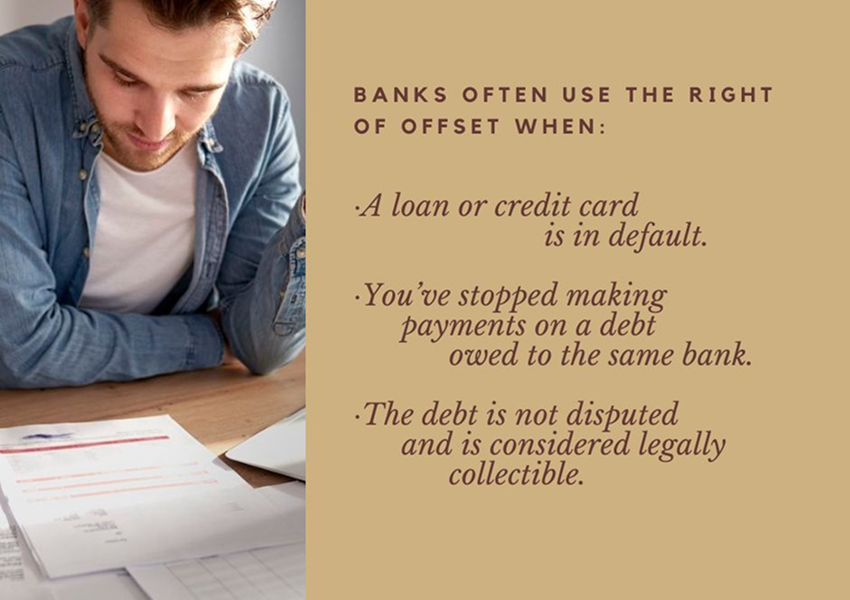
Yes, banks can take your money to pay off debts you owe to them through a legal principle called the Right of Offset (also known as Right of Setoff). What Is the Right of Offset? The Right of Offset allows a bank to withdraw funds from your account (checking, savings, etc.) to cover a debt…
Medical Debt Is the Number One Reason People File for Bankruptcy Chapter 7
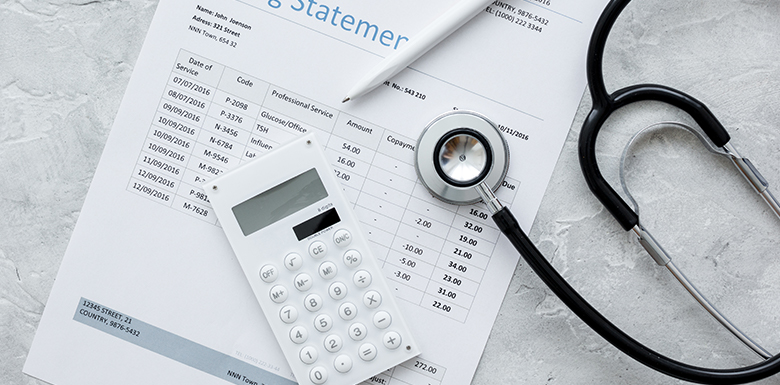
The number one reason people file for Chapter 7 bankruptcy is overwhelming medical debt. Medical expenses are a leading cause because they can be unexpected, unavoidable, and often come with high costs that insurance may not fully cover. Many people facing serious health issues also experience a loss of income, making it even harder to manage their bills. […]
